Guide To Affiliate Marketing In Nigeria

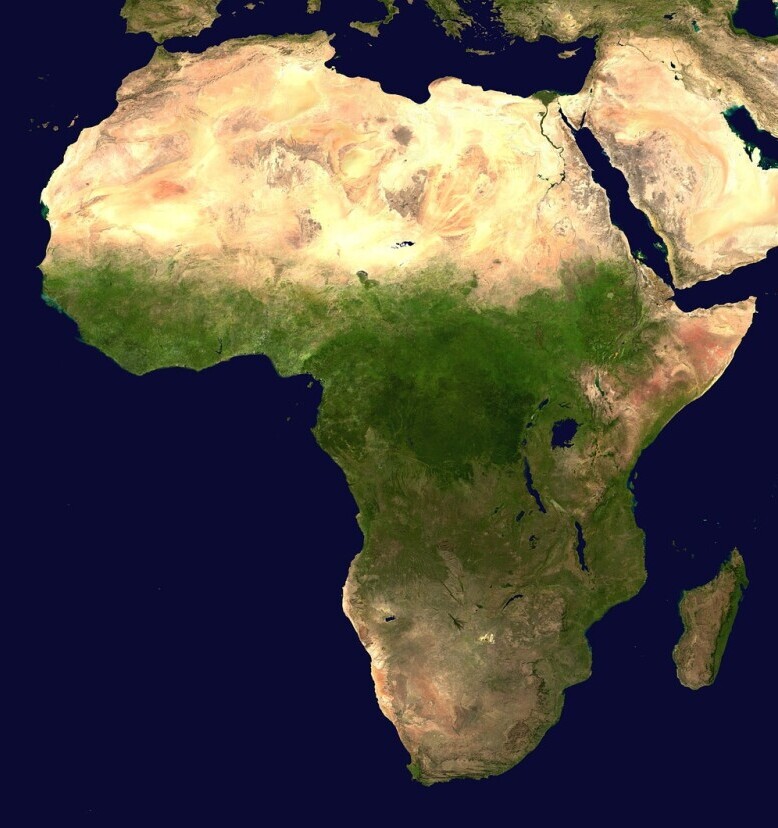
laptop with affiliate marketing dashboard in NigeriaAffiliate marketing is one of the most beginnerfriendly ways to make money online in Nigeria. If you’ve wanted to earn extra income or possibly go fulltime online, affiliate marketing could be a really good place to start. I’ve been through the ups and downs of getting started, learning what works, and figuring out how Nigerians can tap into affiliate programs even with the unique challenges here, like local payment options and building trust with your audience.

If you’re new to the concept, affiliate marketing is all about promoting products or services and earning a commission whenever someone buys through your unique referral link. You don’t even need to create your own products. You just need to find offers that actually fit your audience, build a platform for your promotions, and learn a bit of strategy along the way.

This guide breaks down everything you need to know about becoming an affiliate marketer in Nigeria, from picking a niche to making your first commission and growing your online presence.

https://www.wealthyaffiliate.com?a_aid=b3a159b3


Step 1: Choose a Profitable Niche

The first step is picking a niche or topic area that’s both interesting to you and has earning potential. In Nigeria, some popular affiliate marketing niches include personal finance, tech and gadgets, fashion, beauty, fitness, gaming, and online learning. Picking the right niche is really important because it helps you attract the right audience who will actually click your links and buy stuff. Ideally, you’ll want a niche that has enough traffic and products but is not so crowded you get lost in the mix.

How to Pick a Niche

  • What are you passionate about or experienced in?
  • Is there demand for products in this area in Nigeria?
  • Check if there are affiliate programs available for this niche.
  • Look at competition. High competition can mean it’s profitable, but also harder to succeed. A less crowded niche is easier to get noticed, but only if there’s real interest.

For example, if you’re always up to date with mobile phone trends or fashion styles in Nigeria, these areas might be a good place to focus. Over time, narrowing your niche even further, like focusing on “budget smartphones” or “African skincare products,” can help you get noticed more easily.


Step 2: Find Reliable Affiliate Programs in Nigeria

Once your niche is sorted, you need to find affiliate programs that accept Nigerians and actually pay out to local banks or through PayPal, Payoneer, or other methods. Some programs are global, and others specifically cater to the Nigerian market. Here are a few affiliate programs worth checking out:

  • Jumia Affiliate Program: Jumia is one of the biggest ecommerce platforms in Nigeria, and their affiliate program is open to Nigerians. Payouts are in Naira and delivered to Nigerian banks, which is pretty handy.
  • Konga Affiliate: Another trusted Nigerian ecommerce marketplace. You earn commissions by selling electronics, fashion, home appliances, and more.
  • Amazon Associates: Amazon’s affiliate program is global, but you might need Payoneer or a dollar account for payouts. You can promote books, gadgets, and other items Nigerians buy from abroad.
  • Other Options: Check out affiliate programs from digital product platforms (like Udemy, Coursera, or Fiverr), or even international networks like CJ Affiliate, ClickBank, or PartnerStack if you’re up for handling dollar payouts and international traffic.

Tip for Choosing a Program

Always pick programs that actually pay out to Nigerians and have a good reputation. Research their payment timelines, methods, commission rates, and support options so there are no surprises down the road.


Step 3: Build Your Platform – Blog, Social Media or Both

To make affiliate sales, you’ll need a place to share your unique links. There are three main platforms Nigerian affiliates use:

  • Blog/Website: Starting a niche blog gives you control and helps you rank on Google. With platforms like WordPress or Blogger, you can start for next to nothing and expand as you grow. Popular topics include product reviews, bestbuy lists, and tutorials.
  • Social Media: TikTok, Instagram, WhatsApp, and Facebook have huge Nigerian audiences. You can create review videos, demo reels, or simply recommend products to your followers. Put your affiliate offers in your bio or directly in posts where allowed.
  • Email List: Building a list means you own your audience regardless of algorithm changes. Send them regular product suggestions, exclusive deals, or updates. Email works great for recurring commissions.

Combining a blog with social media and email is a smart longterm approach, but it’s totally fine to start with just one platform and expand over time.


Step 4: Create Useful Content that Converts

Earning consistent affiliate income depends on the kind of content you share. People won’t buy from just any link; you need to build trust and give real value. Here’s what helps Nigerian affiliates the most:

  • Product Reviews: Honest reviews about things you’ve tried or thoroughly researched. Nigerians are very savvy and can spot fakes, so keep it real and authentic.
  • HowTo Guides: Show how to use a product or solve a common problem. For instance: “How to buy safely from Jumia and get fast delivery.” Stepbystep instructions work best.
  • Comparison Posts: Help your audience choose by comparing top options. For example: “Best smartphones under ₦100,000.” Add pros and cons to help with decisionmaking.
  • Deal Alerts: Share hot deals or limitedtime discounts; these work really well, especially around sales season like Black Friday or festive periods.

Original content that’s easy to read and genuinely helpful makes a big difference. Share personal experiences, photos, or proof to build more credibility, and always steer clear of misleading claims.


Step 5: Grow and Nurture Your Audience

The more eyes that see your affiliate links, the better your chances of earning. Building up a loyal, active audience takes consistency, but it pays off in the long run. Here’s how Nigerian affiliates do it:

  • Answer Comments and Questions: Be active wherever you post or blog. Share genuine advice, reply to DMs and comments, and show you care.
  • Share Local Tips: Nigerians love content that’s relatable and locally relevant. Adding your own naija flavor to posts catches more attention and builds stronger connections.
  • Engage Regularly: Post often to keep your content fresh. Regular engagement keeps you top of mind for your audience, which means more clicks and purchases.
  • Use SEO and Hashtags: Optimize blog posts for keywords Nigerians are searching. On social media, trending and local hashtags help you reach more people.

Word of mouth is powerful in Nigeria, so being responsive and helpful makes your content spread further. Encourage people to share your content with their friends and family.


Step 6: Get Paid – Commissions and Payment Options

Getting your affiliate earnings into your Nigerian bank account is super important. Every program is different, so always check how and when you’ll be paid:

  • Direct to Nigerian Banks: Jumia and Konga pay directly to local bank accounts after meeting the payout threshold, which is usually straightforward and quick.
  • Payoneer or PayPal: Most international programs pay via Payoneer or PayPal. Since PayPal Nigeria has some restrictions, many choose Payoneer, which works for most global affiliate networks.
  • US Dollar Account: Some marketers open a domiciliary (dollar) account to collect direct deposits from international networks when payouts in naira aren’t available.

Before signing up for any program, always doublecheck their payment timeline, commission structure, available methods, and whether fees apply so you avoid nasty surprises later on.


Answers to Common Questions

Can I do affiliate marketing in Nigeria with just a phone?

Absolutely. Plenty of beginners start with just a smartphone and social media accounts. You can create videos, write reviews, and manage affiliate links, all from your phone.

How long before I earn my first commission?

This varies a lot depending on your niche, content, and how active your audience is. Some people get their first sale within weeks if they’re focused and already have an audience, but it can also take months of posting content before serious money starts trickling in. Consistency and patience really pay off here. Don’t give up if results take time.

Do I need to register a business?

You don’t need to register a business when you start, but as your income grows, it’s a smart idea. Registering a venture and opening a business bank account helps with managing finances and looks more professional if you want to pitch brands for special campaigns.

Is affiliate marketing legal in Nigeria?

Yes, it’s totally legal. Just be honest about your promotions, use your real information, and stick to each program’s rules or regulations to stay out of trouble.


What to Do Next: Your QuickStart Checklist

  1. Pick a niche you’re passionate about and check if it has solid affiliate offers.
  2. Sign up for a few trusted affiliate programs that pay Nigerians reliably.
  3. Create a blog, social page, or email newsletter to share your recommendations and content.
  4. Write your first review, comparison, or deal post with your unique links. Focus on being helpful, not salesy.
  5. Invite friends and followers to check out your content and share it with their networks.

Affiliate marketing in Nigeria is open to anyone willing to learn, experiment, and stick with the process. Start small, pay attention to what your audience really wants, and focus on providing genuine value. The more helpful you are, the better your results will get over time. Keep learning, testing new strategies, and most importantly, give yourself time to grow—success is totally possible if you stay committed!

https://www.wealthyaffiliate.com?a_aid=b3a159b3

Continue ReadingGuide To Affiliate Marketing In Nigeria

Affiliate Marketing Africa 2025 With

Affiliate Marketing in Africa: Steps to Getting Started in 2025

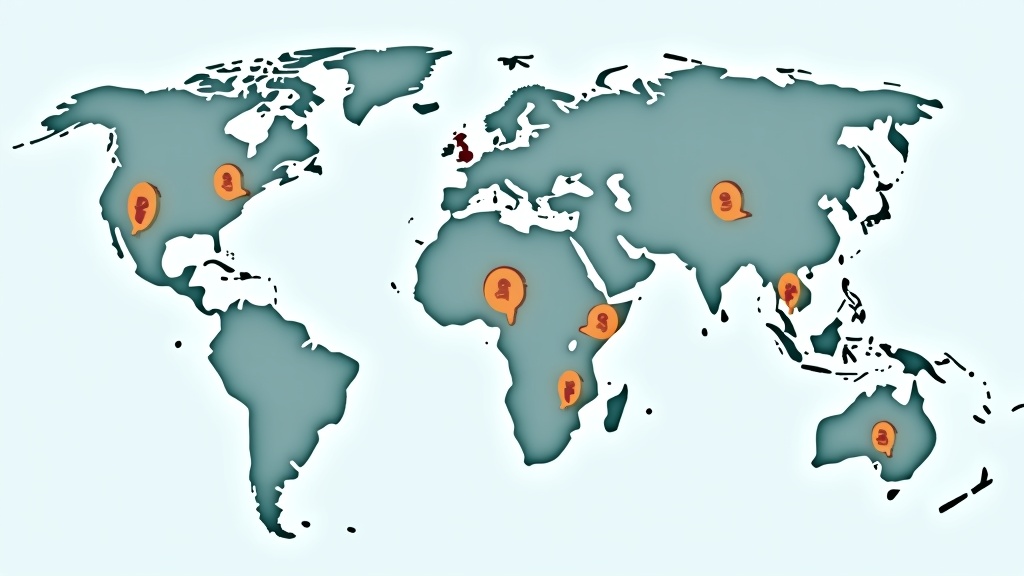
Map of Africa with digital marketing icons representing affiliate marketing opportunities

When I first explored affiliate marketing in Africa, I realized how much local context shapes what works and what doesn’t. The push for online entrepreneurship across Africa is stronger than ever in 2025, thanks to better internet access, smartphones, and social media growth. Even if you have no background in digital marketing, affiliate marketing offers a way to earn income by promoting products and services you believe in, without holding inventory yourself. Anyone interested in building a flexible source of income can jump in, but it helps to know where to start. Picking a focused niche, finding the right affiliate programs, and connecting to your audience are key first steps.

Choosing a Profitable Niche That Fits You

Laptop on a desk with notes exploring different niche ideas for affiliate marketing

One of the first things I did before signing up for any affiliate program was list out topics I actually care about, because real interest makes it much easier to create content and stick with it. The top niches trending in Africa for 2025 include travel within Africa, technology gadgets, health and wellness products, small business tools, and online education resources. These areas are seeing lots of demand due to a young, mobilefirst population. For example, a close friend built his affiliate site around elearning tutorials for skills like coding and digital marketing, which helped him attract highconverting traffic from students and job seekers. Choosing a niche that’s relevant to your region and audience means you connect with people more easily and stand out from international marketers. If you’re unsure where to begin, consider areas you already talk about daily or hobbies you’re genuinely interested in—this gives staying power and authenticity to your work.

Finding the Right Affiliate Programs for the African Market

Screenshot of local and international affiliate platforms accessible to African users

After deciding on my focus area, I began looking for affiliate programs that matched the African audience. There are local platforms like Selar and Expertnaire, which feature Nigerianbased products and pay out in local currency. This skips the hassle of international transfers and connects you to products that locals already search for. Meanwhile, international networks such as Shopify Collabs, CJ Affiliate, and ClickBank offer a wider variety of global brands. I prefer to sign up with several networks to have more options and see what converts best. Reading the program’s commission rates, payout cycles, and reputation is crucial to avoid disappointment down the line. In 2025, more African banks are supporting PayPal and other payout services, making it smoother to actually get paid once you start earning commissions. Always doublecheck the terms and conditions, since payout and traffic restrictions can affect your earnings, especially if you’re based in certain countries on the continent.

Building Your Audience and Creating Valuable Content

Bouncing traffic from one platform to another used to trip me up until I learned how audiences behave differently across social media, blogs, and video channels. Affiliate marketing in Africa works best when your presence is spread over more than one space. SEOrich blog posts attract people searching organically. Instagram and TikTok allow you to showcase products in action, with nextlevel cool visuals and short, catchy reviews. YouTube lets you upload detailed product breakdowns or stepbystep tutorials, and email lists keep your community coming back for direct recommendations. Trust is so important here. I focus on writing honest reviews, share my own test results, and answer questions as clearly as possible. People can spot fake hype quickly, so staying authentic keeps your conversions high and your audience loyal. If a product doesn’t live up to what I hoped, I’ll mention it, because being transparent always pays off for longterm success. Regular interaction and timely updates are both critical for building your reputation.

Tracking Performance and Optimizing for Growth

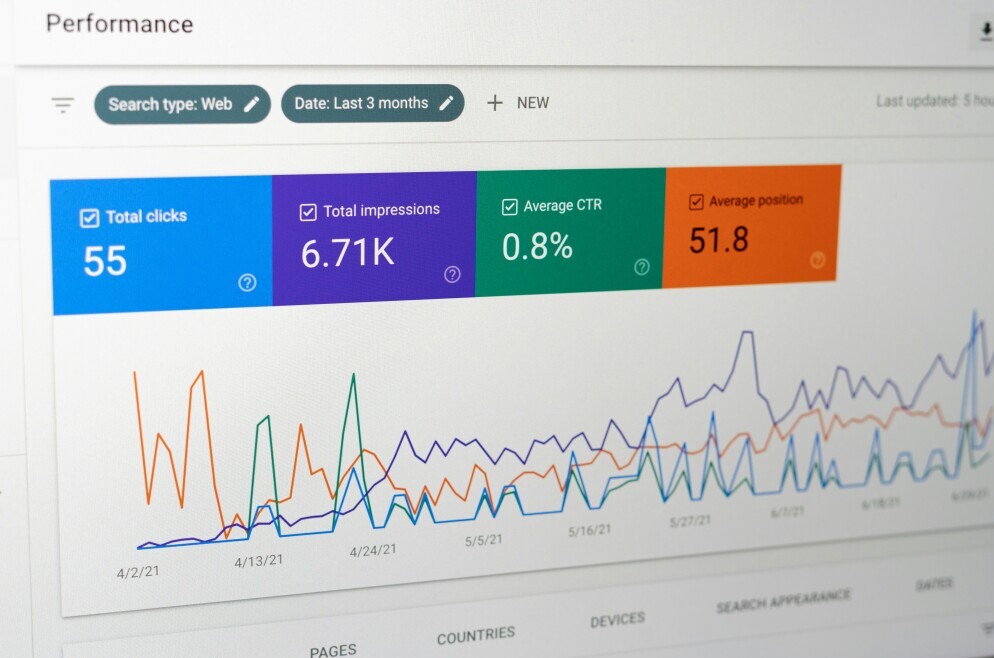
Getting new clicks or followers is only part of the story. I learned that regular tracking helps avoid wasted effort and reveals what’s actually working. Free analytics tools allow me to see which content attracts the most clicks and real sales. I set up Google Analytics for my sites and use affiliate dashboards to monitor conversions. Checking these numbers a few times a week guides my content updates and saves me a lot of time by letting me focus on what gets good results. Getting involved with your audience—asking for feedback, running polls, or replying to comments—offers insights that raw data can’t always provide. Sometimes, small changes like tweaking headlines, updating product links, or mixing up platforms based on what I learn from stats have made a noticeable difference to my income and audience reach.

Dealing with Challenges and Staying Consistent

Concept art of a digital marketer overcoming hurdles, with African currency and connectivity symbols

Affiliate marketing across Africa comes with its own set of headaches. Internet speeds occasionally dip, online payment options may be limited by country, and certain platforms restrict payouts or traffic from some African countries. Switching to bank solutions that support PayPal or working with local networks solves many of these issues. I’ve also run into brands changing terms or ending programs unexpectedly, so I always have a mix of different affiliate programs to reduce the risk. Consistency is really important here. Even when sales fall or algorithms mix it up, posting new content and refreshing old reviews keeps your traffic flowing. Learning new tricks, especially around SEO and fresh content ideas, helps keep me visible and on top of the market changes. If you ever feel stuck, reach out to other affiliate marketers in Africa—many are willing to share tips in online groups or forums.

Education and Staying Ahead with Digital Skills

Open laptop with online course content on digital marketing for African entrepreneurs

I keep up by taking short online courses and tutorials, especially when new platforms or tools show up. Free digital marketing classes on YouTube and paid local workshops both give a boost to my skills and confidence. I’ve picked up everything from beginner SEO to video editing, which lets me expand into new types of content as those channels grow. Africa’s fastmoving digital landscape means taking some time to learn regularly can give you early access to trends and fresh affiliate programs. Online webinars, podcasts, and social groups are great for picking up practical advice that you can use right away.

Affiliate marketing in Africa is an opportunity for anyone to create real income, gain valuable skills, and contribute to the online marketplace. By choosing a niche you care about, finding trustworthy affiliates, and growing your audience with honest content, you can build a flexible income. With some patience, trust, and a willingness to learn, plenty of people across Africa are turning affiliate marketing into a steady source of earnings for 2025 and the years to come. If you’re ready to jump in, start today and track your own adventure!


Continue ReadingAffiliate Marketing Africa 2025 With

Wealth Creation Strategies African

Getting Started with Wealth Creation in Africa

Growing up in Lagos, I watched friends and family find creative ways to build wealth despite a tough economy. People often think of wealth creation as something for the mega rich or business tycoons, but it’s really about using everyday opportunities to grow what you have. Building wealth in Africa means making smart choices, learning from challenges, and staying consistent. Even when resources are limited, there’s always room to start small and work toward big goals. Anyone can jumpstart their adventure toward financial independence, whether by starting tiny with a side hustle or slowly growing savings.

Mastering entrepreneurial skills and and innovation in Africa.

Entrepreneurship is one of the most active ways I’ve seen people move up financially. Starting a business in Africa means looking beyond making quick profits and focusing on solving real problems. Whether it’s offering ridehailing services in busy urban centers or providing reliable power solutions to offgrid communities, every business that fills a gap has the potential to succeed. Technology is a big help here. Mobile banking apps and online business tools make it easier to get started with less capital. Switching from a traditional shop model to selling goods or services on digital platforms opens up a wider market and cuts down on upfront costs. For many, just being able to use smartphones to manage sales or talk to customers is a game changer, making it easy to expand operations or reach new clients.

Investing in Local Markets and Real Estate

Investing isn’t just for people with loads of cash. Even with moderate savings, there are plenty of ways to get involved. I’ve seen friends buy farmland on the city outskirts or invest in community savings groups known as cooperatives. Real estate is a classic move, and while prices can be high in major cities, looking at developing areas unlocks more affordable choices. Some folks use investment apps that let you start with smaller amounts, so it’s less risky and more manageable. As always, doing background research on any opportunity helps avoid losses. In addition to property, small investments in local businesses or agricultural projects can bring steady returns over time. Tracking down these opportunities means keeping an eye out on what’s new and being open to different possibilities for growth.

Developing Multiple Streams of Income

The idea of relying on just one job is getting less popular, especially with how unpredictable some sectors can be. Juggling a main job with side hustles, small online businesses, or even urban farming is a pretty common path now. For me, offering freelance digital skills on global platforms and renting out part of my home gave me extra funds to reinvest. Passive income, like earning returns from stocks, bonds, or peertopeer lending, also spreads out risk over time. People I know have mixed together different sources of income, such as running a weekend food stall while working full time or adding a delivery service alongside an existing shop. Mixing in some variety not only brings in more money but it also helps cushion against sudden changes in one income source.

Taking Advantage of Education and Digital Skills

Learning never really stops, especially with how quickly the job market keeps changing. Free online courses, coding bootcamps, and digital marketing tutorials come in handy for picking up skills that pay off. I switched careers a few years ago just from learning how to build and promote simple websites. Certifications and skill upgrades often lead to better job offers or open doors for consulting work. More cities now have start up hubs or university programs focused on realworld business, which gives anyone willing to learn a serious edge. Taking the initiative to check out new trends in your field or picking up social media marketing tips can give a boost to your career or business. People who keep adding to their knowledge often step up their earning power in ways that last for years.

Building Networks and Accessing Mentorship

Networking is more than just collecting business cards. I make connections at events, join online entrepreneurial groups, and seek out mentors who’ve already faced the kind of challenges I’m trying to solve. Sometimes, just having a short chat with someone experienced reveals shortcuts or warning signs I never spotted before. Knowing people who believe in your project or can give practical advice makes the whole adventure less lonely and more direct. Regularly getting involved in local business meetups, workshops, or webinars opens doors to ideas and support you might never find on your own.

Keeping a steady pace on evolving economy and development skills.

Markets switch up, rules get updated, and economic shocks can hit anytime. Sticking to a single plan rarely works in the long run. I’ve adjusted my portfolio during currency swings, moved my savings into new opportunities, and kept learning about different industries. Staying adaptable and consistent, by reviewing plans every few months and keeping focused on the end goal, helps me push through tough patches and take advantage of fresh opportunities when they pop up. Being ready to tweak your approach and look over what’s working gives you a better shot at lasting growth.

Wrapping up, wealth creation in Africa is all about seeing everyday opportunities, staying nimble, and building new skills. With persistence and a willingness to mix things up, anyone can start the ride to bigger financial freedom, no matter where they begin.

Continue ReadingWealth Creation Strategies African

Best Affiliate Programs For Digital Products

Affiliate marketing is a real game-changer, especially when it comes to digital products. These digital goodies—think eBooks, online courses, and software—are all the rage. They offer affiliate marketers a goldmine of opportunities, mainly because they deliver an instant gratification to the buyer. There’s no shipping to worry about, and they often come with juicy commission rates.

Now, why the hype around digital products among affiliate marketers? It’s pretty straightforward. These products have low overhead costs and high scalability. Once you make ’em, you can sell ’em countless times without any additional expenses. This is pure magic for affiliates as it often translates to higher commissions.

There’s a whole universe of digital product categories you can explore, ranging from education and training courses to creative assets like stock photos or design templates. Tech-savvy folks often gravitate towards software and apps. In the health and wellness corner, you’ll find everything from diet plans to meditation guides.

Choosing the right affiliate program, though, needs a careful eye. I’d say look out for things like the program’s reputation, commission structure, ease of use, and support provided. You want a program with a proven track record and, ideally, resources to help you get off to a running start.

Beginners who are considering jumping into the digital affiliate arena will find the benefits are plenty. Lower start-up costs, access to a massive online audience, and the flexibility to work from just about anywhere—all sweetens the deal. Plus, these programs are often accompanied by a wealth of educational resources to guide you through the process. The start might seem a bit overwhelming, but the potential rewards make it a worthwhile venture.

Getting Started: Most Beginner-Friendly Affiliate Programs for Digital Products

Diving into affiliate marketing can feel like navigating through a maze, especially if you’re a beginner. Picking the right program is half the battle won. You want something that’s straightforward, offers a solid support system, and comes with training resources. Beginners will typically benefit from programs that have lower barriers to entry and provide guidance every step of the way.

There are a few standout programs that consistently get top marks from beginners. Take ClickBank, for instance. It’s notorious for its large collection of products and reputation for being user-friendly. Plus, they hand out some pretty attractive commissions, which is a plus when you’re just starting to find your feet.

ShareASale is another gem. It’s not only known for its user-friendly interface but also for the wide array of products you can choose to promote. This variety helps beginners find a niche that genuinely interests them, boosting the likelihood of success. Plus, they offer hands-on training to help newcomers.

Beginner success stories in affiliate marketing are pretty inspiring. They often highlight the importance of focusing on a niche you love and learning to market effectively. These newbies usually emphasize the importance of patience and consistency. It’s not always about instant earnings; often, it’s the slow and steady approach that wins.

Promoting digital products as a newcomer doesn’t have to be rocket science. It often comes down to simple tactics, like creating content that resonates with your audience or leveraging social media platforms to extend your reach.

New affiliates often grapple with challenges like finding the right traffic sources or understanding analytics. The trick is to view these hurdles as learning opportunities rather than setbacks. Surround yourself with a community of fellow marketers—this support network can offer valuable insights and moral support.

With programs like Wealthy Affiliate offering training and strong community support, new entrants have a friend’s hand to hold on to as they step into the vast world of digital product promotions. They seamlessly integrate training with tools, making the learning curve a bit more bearable for total newbies

Join millions using AI to grow blogs, brands, and businesses faster than ever. Don’t be left behind in the AI boom.

** here’s a little transparency: Our website contains affiliate links. This means if you click and make a purchase, we may receive a small commission. Don’t worry, there’s no extra cost to you.It’s a simple way you can support our mission to bring you quality content.**

Continue ReadingBest Affiliate Programs For Digital Products