Affiliate Marketing in Africa: Steps to Getting Started in 2025
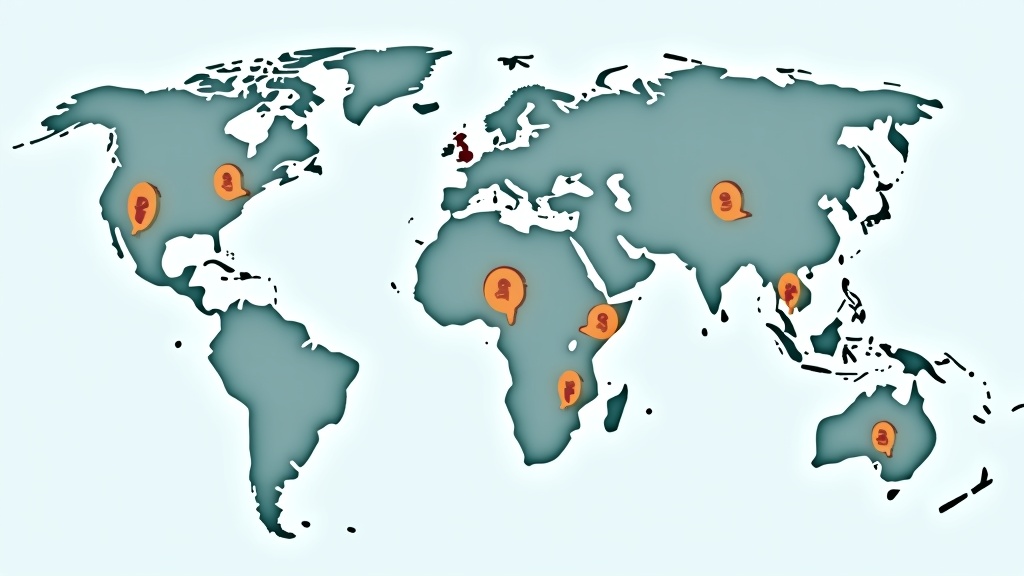
When I first explored affiliate marketing in Africa, I realized how much local context shapes what works and what doesn’t. The push for online entrepreneurship across Africa is stronger than ever in 2025, thanks to better internet access, smartphones, and social media growth. Even if you have no background in digital marketing, affiliate marketing offers a way to earn income by promoting products and services you believe in, without holding inventory yourself. Anyone interested in building a flexible source of income can jump in, but it helps to know where to start. Picking a focused niche, finding the right affiliate programs, and connecting to your audience are key first steps.
Choosing a Profitable Niche That Fits You
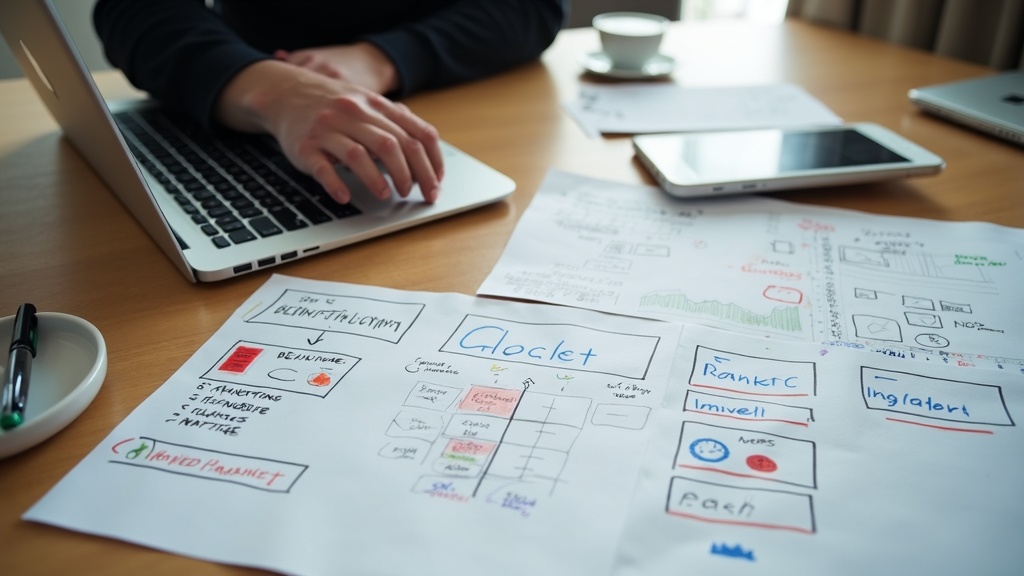
One of the first things I did before signing up for any affiliate program was list out topics I actually care about, because real interest makes it much easier to create content and stick with it. The top niches trending in Africa for 2025 include travel within Africa, technology gadgets, health and wellness products, small business tools, and online education resources. These areas are seeing lots of demand due to a young, mobilefirst population. For example, a close friend built his affiliate site around elearning tutorials for skills like coding and digital marketing, which helped him attract highconverting traffic from students and job seekers. Choosing a niche that’s relevant to your region and audience means you connect with people more easily and stand out from international marketers. If you’re unsure where to begin, consider areas you already talk about daily or hobbies you’re genuinely interested in—this gives staying power and authenticity to your work.
Finding the Right Affiliate Programs for the African Market
After deciding on my focus area, I began looking for affiliate programs that matched the African audience. There are local platforms like Selar and Expertnaire, which feature Nigerianbased products and pay out in local currency. This skips the hassle of international transfers and connects you to products that locals already search for. Meanwhile, international networks such as Shopify Collabs, CJ Affiliate, and ClickBank offer a wider variety of global brands. I prefer to sign up with several networks to have more options and see what converts best. Reading the program’s commission rates, payout cycles, and reputation is crucial to avoid disappointment down the line. In 2025, more African banks are supporting PayPal and other payout services, making it smoother to actually get paid once you start earning commissions. Always doublecheck the terms and conditions, since payout and traffic restrictions can affect your earnings, especially if you’re based in certain countries on the continent.
Building Your Audience and Creating Valuable Content
Bouncing traffic from one platform to another used to trip me up until I learned how audiences behave differently across social media, blogs, and video channels. Affiliate marketing in Africa works best when your presence is spread over more than one space. SEOrich blog posts attract people searching organically. Instagram and TikTok allow you to showcase products in action, with nextlevel cool visuals and short, catchy reviews. YouTube lets you upload detailed product breakdowns or stepbystep tutorials, and email lists keep your community coming back for direct recommendations. Trust is so important here. I focus on writing honest reviews, share my own test results, and answer questions as clearly as possible. People can spot fake hype quickly, so staying authentic keeps your conversions high and your audience loyal. If a product doesn’t live up to what I hoped, I’ll mention it, because being transparent always pays off for longterm success. Regular interaction and timely updates are both critical for building your reputation.
Tracking Performance and Optimizing for Growth
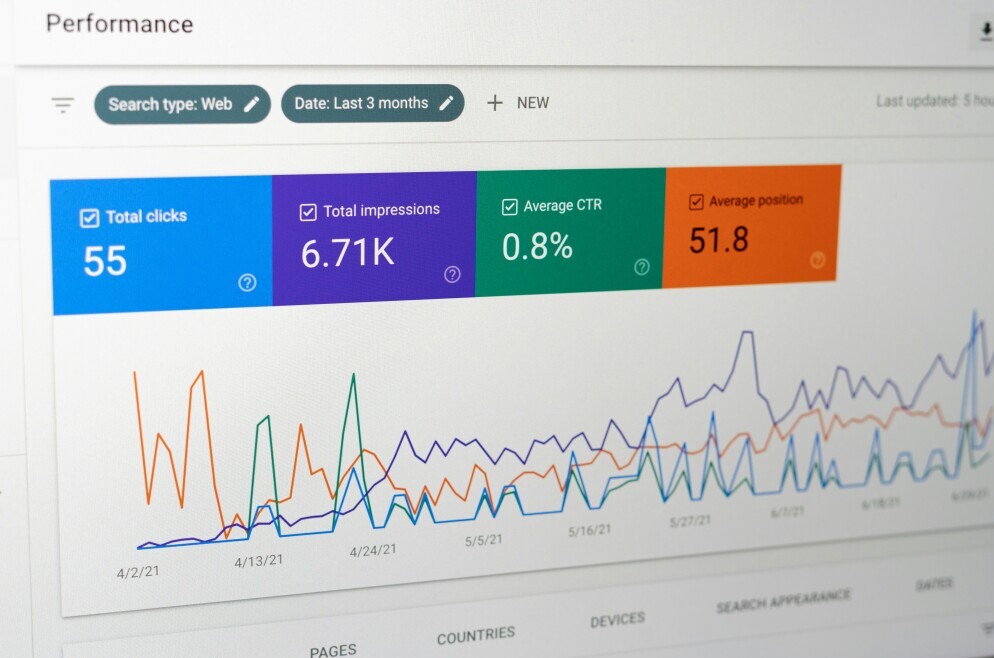
Getting new clicks or followers is only part of the story. I learned that regular tracking helps avoid wasted effort and reveals what’s actually working. Free analytics tools allow me to see which content attracts the most clicks and real sales. I set up Google Analytics for my sites and use affiliate dashboards to monitor conversions. Checking these numbers a few times a week guides my content updates and saves me a lot of time by letting me focus on what gets good results. Getting involved with your audience—asking for feedback, running polls, or replying to comments—offers insights that raw data can’t always provide. Sometimes, small changes like tweaking headlines, updating product links, or mixing up platforms based on what I learn from stats have made a noticeable difference to my income and audience reach.
Dealing with Challenges and Staying Consistent
Affiliate marketing across Africa comes with its own set of headaches. Internet speeds occasionally dip, online payment options may be limited by country, and certain platforms restrict payouts or traffic from some African countries. Switching to bank solutions that support PayPal or working with local networks solves many of these issues. I’ve also run into brands changing terms or ending programs unexpectedly, so I always have a mix of different affiliate programs to reduce the risk. Consistency is really important here. Even when sales fall or algorithms mix it up, posting new content and refreshing old reviews keeps your traffic flowing. Learning new tricks, especially around SEO and fresh content ideas, helps keep me visible and on top of the market changes. If you ever feel stuck, reach out to other affiliate marketers in Africa—many are willing to share tips in online groups or forums.
Education and Staying Ahead with Digital Skills
I keep up by taking short online courses and tutorials, especially when new platforms or tools show up. Free digital marketing classes on YouTube and paid local workshops both give a boost to my skills and confidence. I’ve picked up everything from beginner SEO to video editing, which lets me expand into new types of content as those channels grow. Africa’s fastmoving digital landscape means taking some time to learn regularly can give you early access to trends and fresh affiliate programs. Online webinars, podcasts, and social groups are great for picking up practical advice that you can use right away.
Affiliate marketing in Africa is an opportunity for anyone to create real income, gain valuable skills, and contribute to the online marketplace. By choosing a niche you care about, finding trustworthy affiliates, and growing your audience with honest content, you can build a flexible income. With some patience, trust, and a willingness to learn, plenty of people across Africa are turning affiliate marketing into a steady source of earnings for 2025 and the years to come. If you’re ready to jump in, start today and track your own adventure!
This is such an insightful guide to affiliate marketing in Africa! I really appreciate how you highlighted the importance of choosing a niche that aligns with personal interests, as it makes content creation feel authentic and sustainable. I also found your tips on combining local and international affiliate programs very practical, especially considering payout methods and audience relevance. Your advice on tracking performance and staying consistent really resonates. Do you think some niches, like health and wellness versus tech gadgets, have higher conversion potential in specific African regions right now?
Thank you for reading my post and for your great contribution and for your questions … yes niches like health care, wellness and gadgets have a high conversion potential and are good areas to look into. I also feel that TRAVEL and TOUR could also be great niches too.
You are most welcome to follow me and continue enjoying reading my posts as I shoot them out there.
I really appreciate how clearly you broke down the realities of affiliate marketing in Africa. I’ve been in the affiliate space since 2014, and a lot of what you said lines up with what I’ve seen over the years—especially the importance of choosing a niche you actually care about and sticking with honest, experience-driven content. That’s what keeps an audience coming back.
I also agree with your point about using multiple affiliate networks. Back when I started, payouts for African marketers were extremely limited, and even as things improved, relying on just one program was always risky. Diversifying has saved me more than once—programs change rules overnight, traffic sources shift, and what converts today isn’t always what converts next month.
The biggest shift I’ve noticed since 2014 is how much trust now matters. Audiences can detect hype instantly, so transparency always outperforms flashy promises. Your emphasis on authenticity, analytics, and skill building is exactly what helps people stay in the game long-term.
Curious—based on what you’re seeing across the continent right now, which niche do you think has the strongest growth potential going into 2026?
This post is a living testimony to the meaning of entrepreneurship. It doesn’t promote an imported model. Instead, it contextualizes affiliate marketing by taking into account the realities of the African landscape—its infrastructure, payment systems, audience behaviors, and existing local platforms. It lays foundational principles, with sincerity as a strategy. Because creating content isn’t about “posting for the sake of posting.” It’s about serving, listening, and adjusting. In this way, authenticity becomes a lever for conversion. Transparency becomes a trust capital—even in the face of numerous challenges such as unstable internet, geographic restrictions, and disappearing programs. The author doesn’t deny the obstacles; he overcomes them through diversification, consistency, and continuous learning. Affiliate marketing thus becomes a school of skills. In short, affiliate marketing in Africa is a rooted creation. Trust, consistency, and competence are the three pillars of sustainable growth. And in 2025, affiliate marketing is not just a way to earn income—it is also a path of expression, transmission, and transformation.





This is such an insightful guide to affiliate marketing in Africa! I really appreciate how you highlighted the importance of choosing a niche that aligns with personal interests, as it makes content creation feel authentic and sustainable. I also found your tips on combining local and international affiliate programs very practical, especially considering payout methods and audience relevance. Your advice on tracking performance and staying consistent really resonates. Do you think some niches, like health and wellness versus tech gadgets, have higher conversion potential in specific African regions right now?
Thank you for reading my post and for your great contribution and for your questions … yes niches like health care, wellness and gadgets have a high conversion potential and are good areas to look into. I also feel that TRAVEL and TOUR could also be great niches too.
You are most welcome to follow me and continue enjoying reading my posts as I shoot them out there.
I really appreciate how clearly you broke down the realities of affiliate marketing in Africa. I’ve been in the affiliate space since 2014, and a lot of what you said lines up with what I’ve seen over the years—especially the importance of choosing a niche you actually care about and sticking with honest, experience-driven content. That’s what keeps an audience coming back.
I also agree with your point about using multiple affiliate networks. Back when I started, payouts for African marketers were extremely limited, and even as things improved, relying on just one program was always risky. Diversifying has saved me more than once—programs change rules overnight, traffic sources shift, and what converts today isn’t always what converts next month.
The biggest shift I’ve noticed since 2014 is how much trust now matters. Audiences can detect hype instantly, so transparency always outperforms flashy promises. Your emphasis on authenticity, analytics, and skill building is exactly what helps people stay in the game long-term.
Curious—based on what you’re seeing across the continent right now, which niche do you think has the strongest growth potential going into 2026?
Thank you for your contribution and nice to know you were an experience Affiliate marketer since 2014.
Really to answer your question I am not so sure of what niche has the strongest growth going into 2026.
This post is a living testimony to the meaning of entrepreneurship.
It doesn’t promote an imported model. Instead, it contextualizes affiliate marketing by taking into account the realities of the African landscape—its infrastructure, payment systems, audience behaviors, and existing local platforms.
It lays foundational principles, with sincerity as a strategy. Because creating content isn’t about “posting for the sake of posting.” It’s about serving, listening, and adjusting.
In this way, authenticity becomes a lever for conversion. Transparency becomes a trust capital—even in the face of numerous challenges such as unstable internet, geographic restrictions, and disappearing programs.
The author doesn’t deny the obstacles; he overcomes them through diversification, consistency, and continuous learning.
Affiliate marketing thus becomes a school of skills.
In short, affiliate marketing in Africa is a rooted creation. Trust, consistency, and competence are the three pillars of sustainable growth. And in 2025, affiliate marketing is not just a way to earn income—it is also a path of expression, transmission, and transformation.
Thank you for your great contribution. Affiliate marketing is slowly making its way in Africa.